How to prepare your pet for physiotherapy
- Caroline Kendal
- Sep 17, 2023
- 3 min read
Starting physio with your pet can be a bit nerve-wracking, for you and your pet! It's only natural to feel anxious about what to expect and if your pet will respond well to physio.
A physio session is unlike a Vet appointment in so many ways. Usually, your Vet will spend a short amount of time with your pet, quickly assess them and avoid prolonged hands-on activities, as the Vet can be a very stressful experience for your pet. A physio session will usually be about an hour and the aim is for me to build a bond with your pet over time. I take my time to assess them and create a treatment plan that takes into account their likes/dislikes/worries. Building their trust is essential and once they realise they're not going to the Vet and they'll get lots of fuss, they usually really enjoy it.
The good news is that the vast majority of pets love their physio sessions; and with a little bit of forward planning, you can help your furry friend get the best from their session.
Physical preparation
First and foremost, wet or dirty pets are not ideal. A wet animal simply cannot be palpated easily. Palpation (feeling through the coat with fingers, to assess the muscles, joints and soft structures) is essential to understand so many things about your pet's condition. Additionally, many electrotherapy treatments cannot be used on wet animals.
So please ensure they are clean and dry before their session.
For horses that are turned out, please ensure they are in the stable, clean and dry, ready for their session.

Encouragement (bribery!)
For dogs and cats especially, bribery can be key to a great physio session.
High-value treats (really soft squidgy smelly ones) and often ideal, but I really recommend licki-mats covered in soft cheese, peanut butter or similar. A lot of physio work is much better when the animal stays still (or least in one place), which can be facilitated brilliantly with a licki-mat.
If your pet isn't food-orientated, perhaps a toy may help distract them or keep them still for a few minutes at a time?
For horses, a good carrot or some pony nuts can really help with the facilitation of certain movements such as stretches.

Your involvement
Most of the time, a physio session involves a gait assessment, whereby I will watch (and sometimes video) your pet moving in different ways, such as walking, trotting, lunging (horses), backing up, and functional movements such as stairs.
I will need you to lead them in these activities so I can watch closely.
Equipment
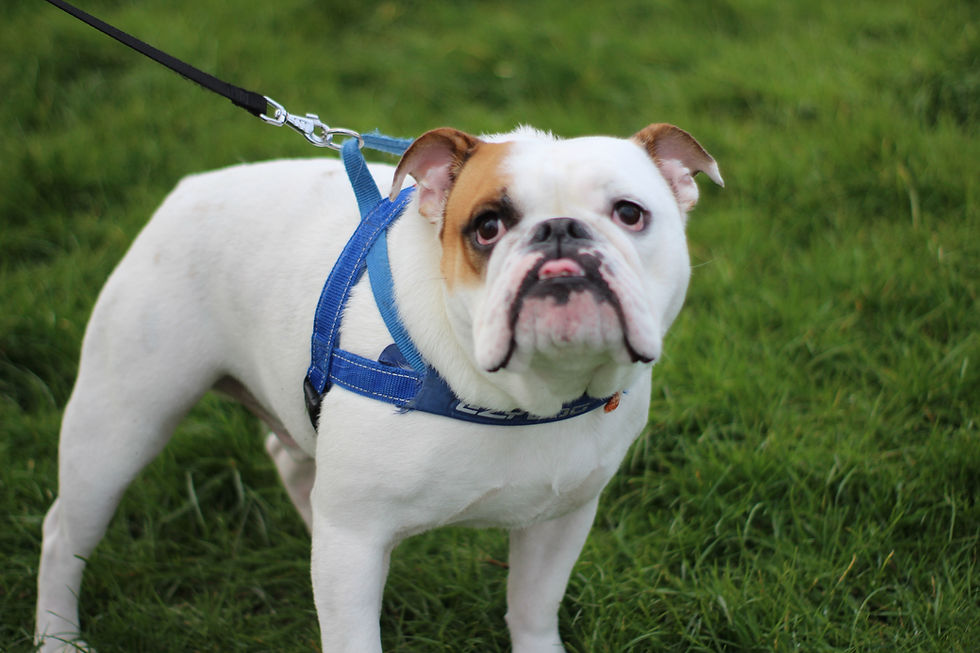
It is always useful to see what equipment your pet may be using, such as a lead/harness and for horses, saddle and tack.
Accidents (of the yellow and brown variety!)
Accidents happen. That's life. But if you are able to encourage your pet to go to the toilet before their session, that would be very helpful! Obviously, this doesn't really apply to horses, who basically do what they like when they like!
What now?
For more information about what to expect from a physio session, take a look at my information "what does a session entail?"
As always, if you think your pet is in pain or struggling, please seek Veterinary guidance as soon as possible.
If you think physiotherapy might help your pet, please get in touch to talk about how I may be able to help them live their best life.

Caroline Kendal
Veterinary Physiotherapist
PgDip VetPhys MIRVAP(VP)
Important note
Physiotherapy for animals requires Veterinary referral and I will work with your Vet and any other parties (Vet nurse / behaviourist / farrier etc) as part of a multi-disciplinary team to act in the best interests of your pet.
This blog post is not intended to provide advice on Veterinary care.

Comments